
Electrolux EPVS-200 filters



-
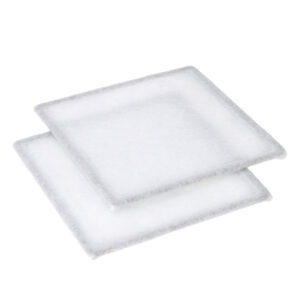 House brandExtract filter size: 210x175 mmSupply filter size: 210x175 mmFilter class (EN779): G4+G4Filter quantity in a set: 2 filtersProtection level
Filter protection level indicates efficiency in blocking particles or contaminants, varying by standard and application.
BasicGeneral dust and particle filtration
1-1 of 1


Need Help? Start Here.
We’ve gathered answers to the most common questions about our products and services. If you can’t find an answer here, please contact us directly.
Which Electrolux models (e.g. EPVS-200, EPVS-350) do you sell filters for?


We stock filter sets for the Electrolux EPVS-200, EPVS-350 and EPVS-450 and the ERVX-150/250 and ERVX-350 ventilation units, which are most common in the Nordic and Baltic markets. If your unit's model plate is hard to read, filter dimensions are the most dependable way to confirm the right match.
Are Electrolux ventilation filters the same as filters for other Electrolux appliances?
No – Electrolux is a large brand spanning many product categories, so filters for home MVHR (heat recovery ventilation) units are completely different from the filters used in other Electrolux products, such as:
- vacuum cleaners
- kitchen range hoods
- air purifiers
When looking for the right filter, go specifically by your MVHR unit's model (e.g. the EPVS series) rather than a generic Electrolux household appliance filter – they are not interchangeable in either size or mounting.
Why are original Electrolux filters more expensive, and do compatible alternatives work just as well?
Original-branded filters carry a premium that comes largely from brand packaging and distribution rather than filtration performance. Our house brand sets for Electrolux EPVS and ERVX units are made to the same G4 class and cut to identical dimensions, so fit and airflow are unaffected.
Which filter class should I choose for an Electrolux MVHR unit?
The Electrolux EPVS and ERVX filter sets we stock are G4+G4 — a G4 filter on both the supply and extract side, which protects the unit and its heat exchanger from coarse dust.
How often should Electrolux EPVS filters be replaced in Latvian conditions?
The standard recommendation for Electrolux EPVS units is every 3–6 months, but the right interval depends on where you live and how the unit is used. In the heating season the unit runs harder to recover heat, and damp Latvian autumns and winters mean more moisture and fine particles pass through the supply filter, so filters tend to clog faster between October and March. Near busy roads or in homes with pets, lean towards the 3-month end of the range; in a quiet rural area, 6 months is usually fine. Weaker airflow or a stronger smell indoors is a sign it's time to change them sooner.
Which Electrolux models share a filter set?
Only the ERVX-150 and ERVX-250 share one filter set. The EPVS-200, EPVS-350, EPVS-450 and ERVX-350 each take their own size. All our Electrolux sets are G4+G4, so only the size differs – check the exact model on the unit's plate or measure the old filter before ordering.
Still Have Questions?
Support details to capture customers that might be on the fence.
Contact Us Now
